Smart Home Touch Displays: Enabling Smarter, More Connected Living
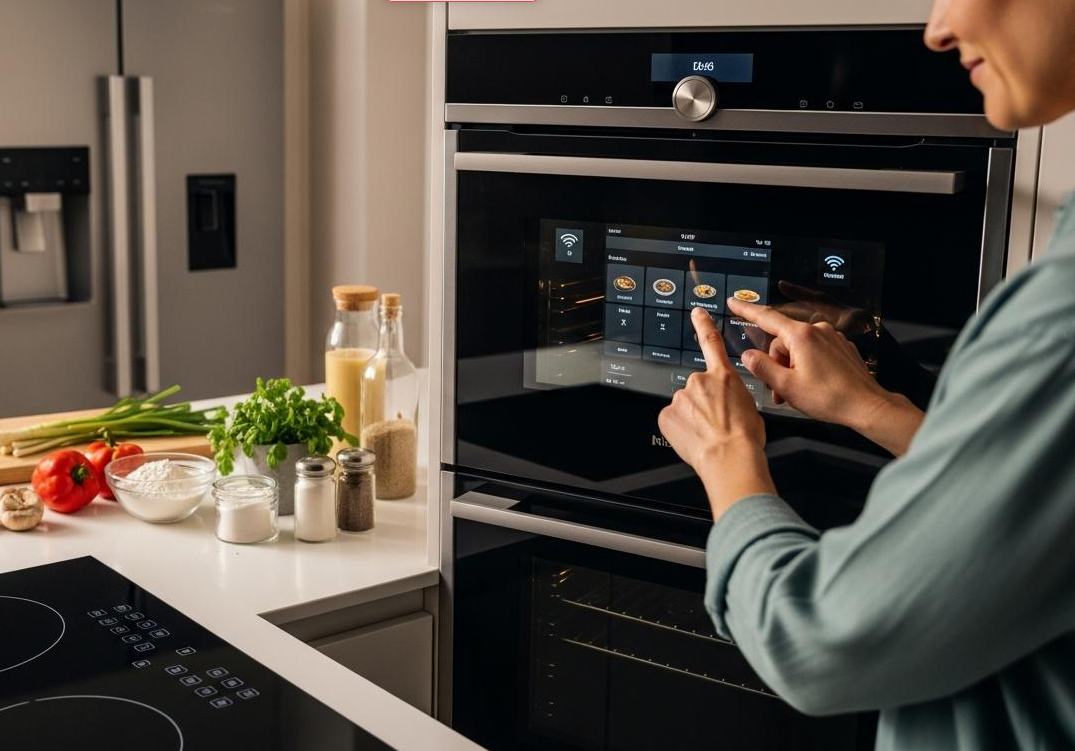
The smart home industry is evolving rapidly. From intelligent lighting and climate control to home security and connected appliances, modern homes are becoming increasingly automated, interconnected and user-friendly. As smart home technology advances, the way people interact with their home devices is changing too. Touch displays are becoming an essential interface, providing intuitive control, real-time information and seamless interaction between users and smart home systems. For smart home manufacturers and technology developers, choosing the right touch display solution is an important step in creating reliable, attractive and user-friendly products. A smart home is no longer just about connecting individual devices to the internet. It is about creating an integrated living environment where different systems communicate and work together. Touch displays serve as a direct communication interface between users and smart devices. Instead of relying entirely on physical buttons or mobile applications, users can access multiple functions through a single interactive screen. With intuitive touch interaction and clear visual feedback, touch displays help make smart home systems more accessible and convenient for every member of the household. Central control panels are becoming a popular solution for managing multiple smart home systems. Installed on walls or integrated into home control stations, these panels allow users to manage lighting, air conditioning, curtains, security systems and other connected devices from one interface. A well-designed touch display can improve the overall user experience through responsive multi-touch interaction, clear and easy-to-read visual interfaces, compact designs suitable for wall-mounted installations, customizable display sizes and configurations, and reliable operation for everyday use. For manufacturers, display and touch solutions need to balance functionality, appearance and long-term reliability. Smart technology is transforming traditional kitchen appliances into more intelligent and interactive products. Refrigerators, ovens, coffee machines and other connected appliances increasingly incorporate touch displays to provide intuitive operation and additional functionality. The display interface may be used for temperature adjustment, cooking settings, operation status, recipe information and system notifications. In these applications, manufacturers often consider display readability, touch responsiveness, integration space and resistance to daily operating conditions when selecting a display solution. Security is another important part of the smart home ecosystem. Video doorbells, indoor intercom systems, smart access control panels and home monitoring terminals use touch displays to help users communicate with visitors, view camera feeds and manage access permissions. These applications require clear image presentation, responsive touch operation, stable performance during continuous use, suitable mechanical integration and interfaces designed for frequent daily interaction. A reliable touch display helps create a smoother interaction experience while supporting the overall functionality of smart security products. Smart thermostats and HVAC control panels allow homeowners to manage indoor temperature, humidity, ventilation and air quality. Touch displays provide an intuitive way to adjust settings and monitor environmental information. Depending on the product design, display modules can be integrated into compact wall-mounted controllers, centralized HVAC panels or smart environmental monitoring devices. For these applications, customized dimensions, display brightness, touch sensitivity and integration requirements are important considerations. Energy efficiency is becoming an increasingly important consideration in modern residential buildings. Home energy management systems help users monitor electricity consumption, manage solar energy systems and coordinate energy storage and connected appliances. Touch displays provide a visual interface for presenting energy data, operating modes, consumption trends and system status. With clear data visualization and intuitive interaction, these displays make complex energy information easier to understand and manage. Not all touch display solutions are suitable for every smart home product. Different applications have different requirements in terms of dimensions, installation methods, operating environments and user interaction. Clear images, appropriate brightness and wide viewing angles help users interact with devices comfortably in different indoor lighting conditions. Accurate and responsive touch interaction is essential for a smooth user experience, especially for control panels and frequently operated appliances. Smart home products come in different shapes and sizes. Customized display dimensions, touch panel structures, cover glass designs and interface configurations help manufacturers achieve better product integration. Smart home devices are designed for long-term daily use. Consistent product quality and reliable component performance are important for maintaining a dependable user experience. Different products may require different display technologies, touch structures, bonding methods and mechanical designs. Working with an experienced touch display supplier helps manufacturers address these requirements during product development. At JuTouch, we understand that a touch display is more than just a screen. It is an important part of the overall product design and user experience. We provide touch display solutions for manufacturers developing smart home devices and intelligent control systems. Flexible options for display dimensions, touch panels and product configurations. Solutions designed to meet different touch interaction and application requirements, including smart intercom and control terminals. Optical bonding options to improve display integration and visual performance where required. Technical support to help customers select suitable display solutions for their specific products. Flexible cooperation models for different product development projects, from customized components to application-specific solutions. Whether you are developing a smart home control panel, a connected kitchen appliance or an intelligent security terminal, JuTouch can support your project with application-oriented touch display solutions. The future of smart homes will be shaped not only by connectivity and automation, but also by how naturally people interact with technology. Touch displays will continue to play an important role in making smart devices more intuitive, accessible and integrated into everyday life. For smart home manufacturers, selecting the right display partner can make a meaningful difference in product development, user experience and long-term product reliability. At JuTouch, we are committed to supporting customers with flexible touch display solutions and responsive technical support. Looking for a touch display solution for your next smart home project? Contact JuTouch to discuss your application requirements and explore a suitable display solution for your product.
1. The Growing Role of Touch Displays in Smart Homes
Typical functions accessed from one screen
2. Key Applications of Touch Displays in Smart Home Devices
2.1 Smart Home Central Control Panels
2.2 Smart Kitchen Appliances
2.3 Smart Security and Home Access Systems
2.4 Smart Thermostats and HVAC Control Systems
2.5 Home Energy Management Systems
3. What Makes a Good Touch Display for Smart Home Applications?
Display clarity and readability
Responsive touch performance
Flexible design and integration
Stable and reliable performance
Customized solutions
4. How JuTouch Supports Smart Home Product Development
Customized display solutions
Touch technology integration
Optical bonding solutions
Application-oriented support
OEM & ODM cooperation
5. Building the Future of Smart Living Together